[ Garments & fabrics ]
Faux Fur Handfeel & Quality
Discuss the handfeel, colour and finish required for your faux fur garments and fabrics.
Request a sample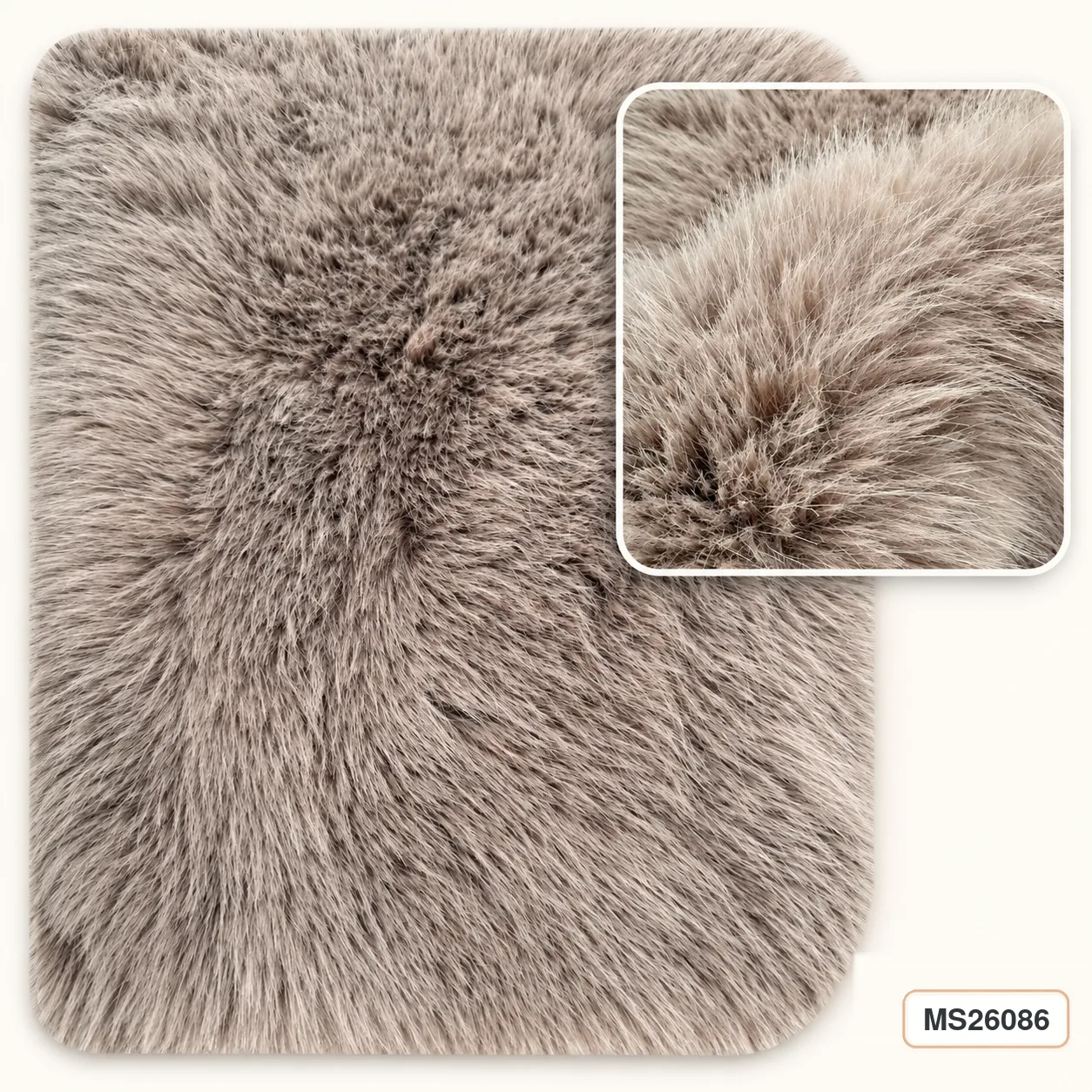
[ Material discussion ]
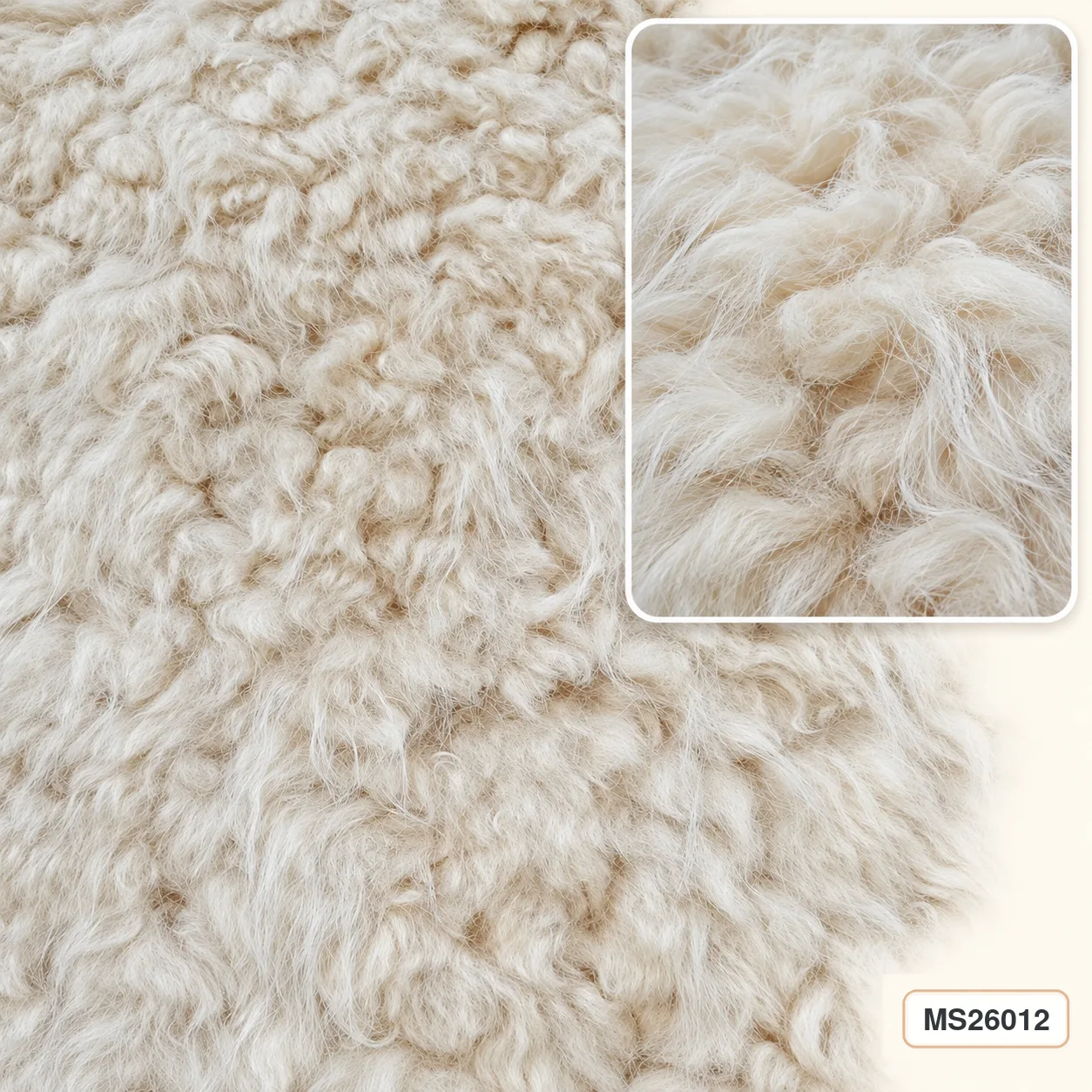
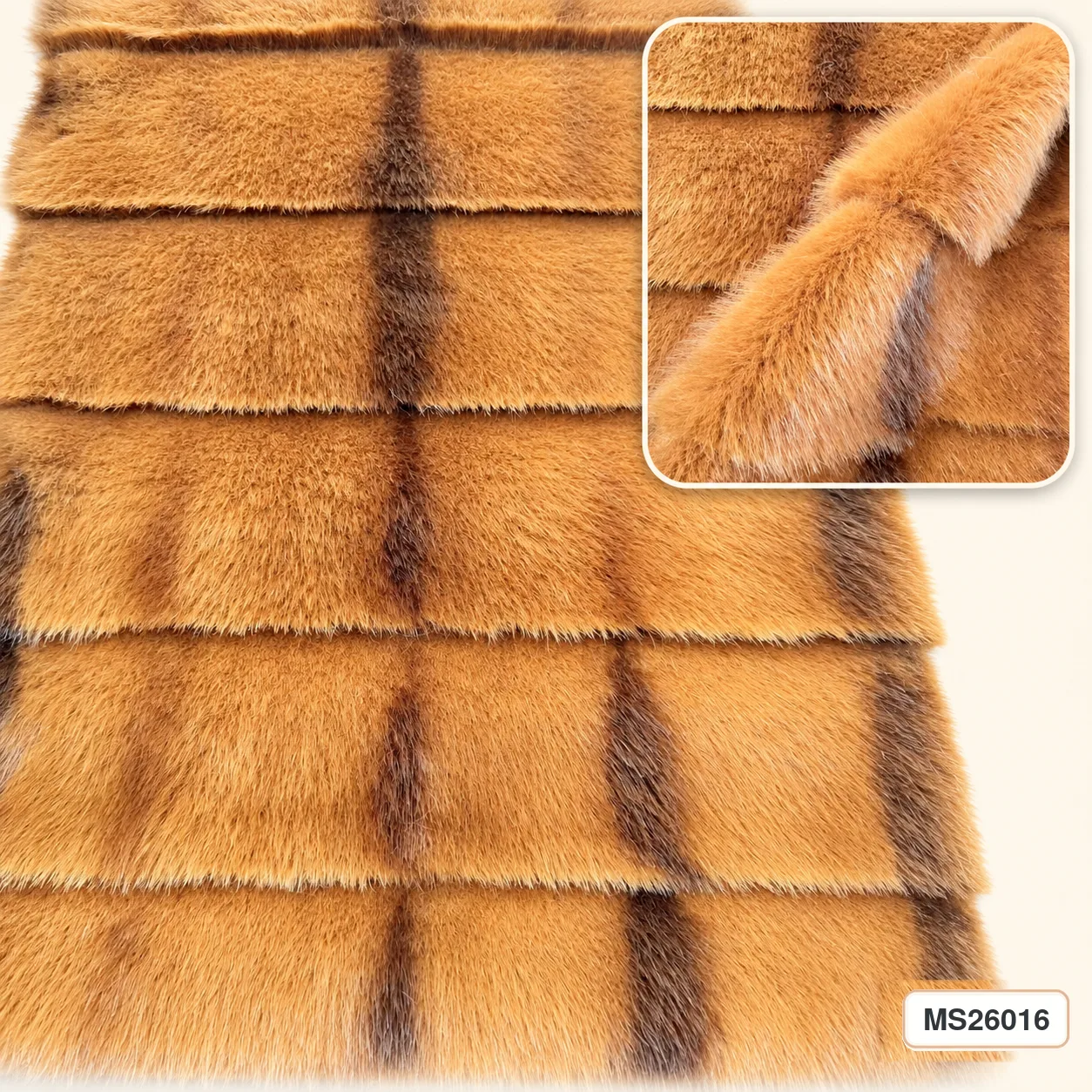
Handfeel & colour
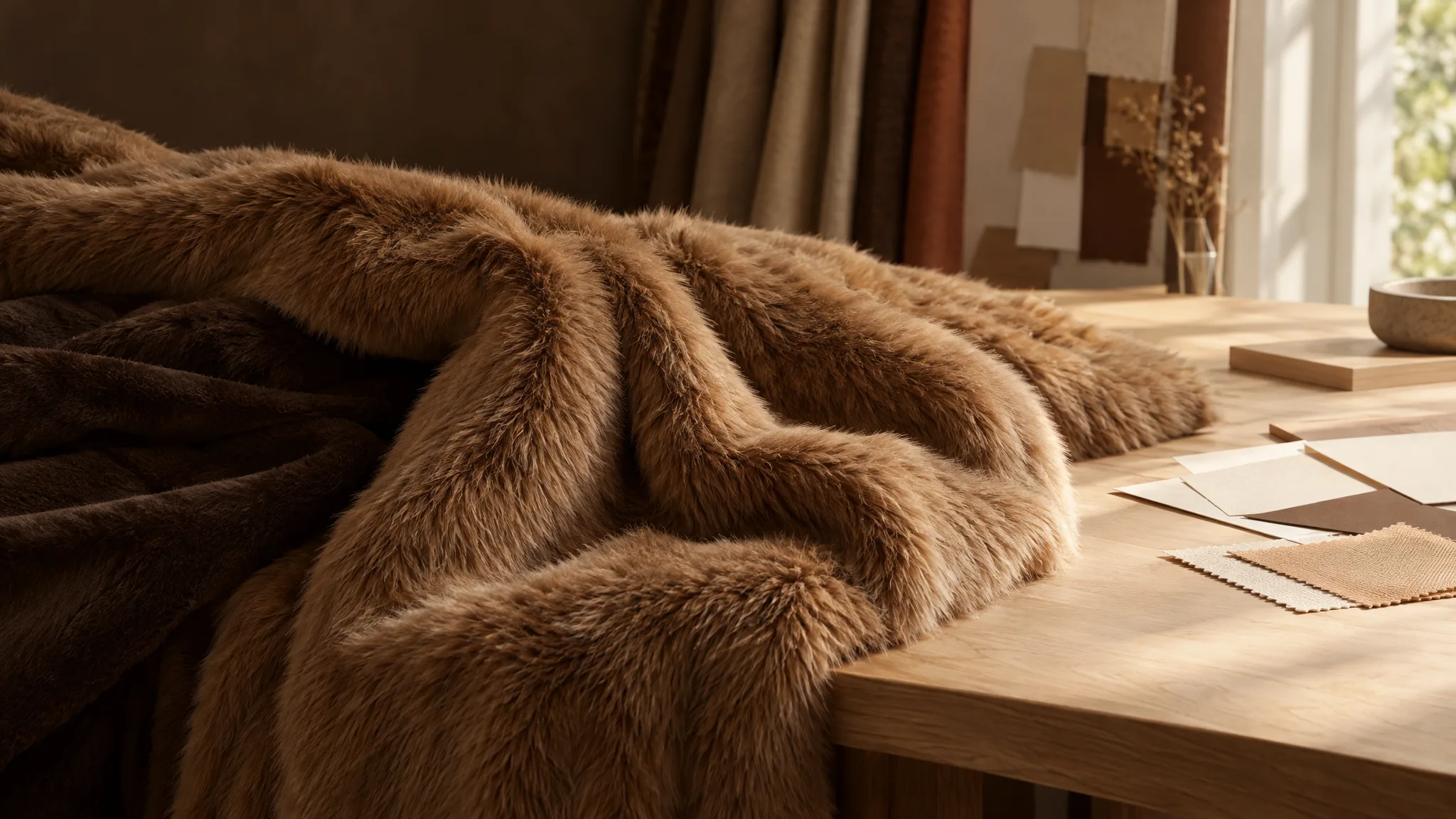
Use a fabric number or a garment reference to describe the finish you want to explore. Images show appearance; physical samples are needed to assess touch and colour.
- Pile & surface
- Note the pile appearance, direction and texture you want to compare against your reference.
- Colour reference
- Include your colour reference and intended use. Ask how the shade can be reviewed on a physical sample.
- Feel & drape
- Describe the feel and movement you are seeking for the garment, and the points to assess in a sample discussion.
[ Sample evaluation ]
Garment sample review
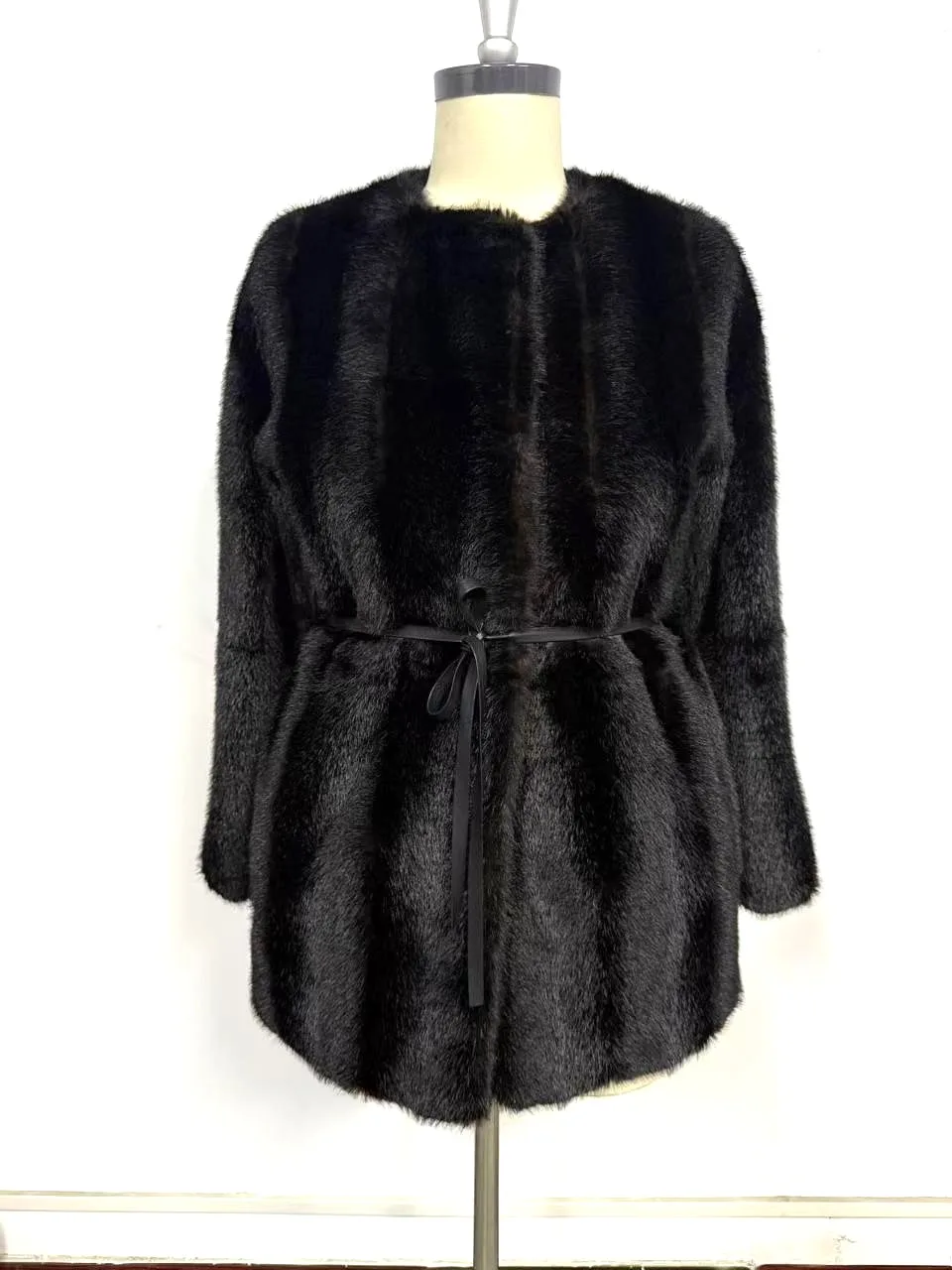
A faux fur swatch can feel soft and look full on a table, yet hang too flat when made into a coat. The backing, lining, seams, and weight all affect how the finished garment looks and moves. Evaluate the sample on a fit model first, then check the fabric, construction, and measurements against the specifications.
Check the silhouette on a fit model
Use a fit model whose measurements match the sample size. Have the model wear the type of layer the garment is designed to go over. Review the front, side, and back with the garment open and closed. Then ask the model to walk, sit, and reach forward.
Check whether the shoulders, collar, sleeves, and hem hold the intended shape. Look for excess bulk under the arms, a collar that collapses, or front edges that pull when fastened. Ask the model where the garment feels heavy or restricts movement.
If a long coat hangs flatter than intended, check whether the backing provides enough support before changing the pattern. A denser backing may help the coat hold its shape, but it can also add weight or stiffness. Compare the alternatives in a sewn panel or a revised sample, then reassess the silhouette on the model.
Compare the faux fur with the approved swatch
Place the sample and approved swatch side by side under the same lighting. Align the pile direction before comparing color and sheen, since the same fur can look lighter or darker when viewed against the pile.
Check the hand feel, pile length, density, and backing. Part the pile at the elbows, shoulder seams, and pocket openings to see how easily the backing shows. Compare paired panels, especially the fronts and sleeves, for consistent shade and pile direction. Where the design calls for a change in direction, check that it appears in the intended location.
Inspect seams, edges, and closures
Look closely at the collar, front edges, cuffs, hem, and pockets. Check for fur caught in visible seams, exposed backing, bulky joins, and lining that peeks out or pulls the outer shell out of shape.
Open and close the zipper, snaps, or hooks several times. Check whether the pile catches in the closure and whether the two fronts hang evenly when fastened. Try the pockets on the fit model to see whether they are easy to reach and whether the openings gape.
Measure the garment and record its weight
Lay the sample flat without stretching it and follow the measurement method in the tech pack. Use the backing or seam edge as the reference where specified, since long pile can obscure the actual edge. Record the actual measurements against the specified values and tolerances for key points such as chest width, shoulder width, sleeve length, body length, and hem width.
Weigh the finished sample in the size being reviewed, including the lining and trims. Record the weight alongside the fit comments so the next sample can be checked for both shape and comfort.
Write comments the sample room can act on
For each issue, record where it occurs, what you observed, and what needs to change. Add a marked photo or an actual measurement where it helps.
- Front panels look different in shade
- Check the pile direction on both front panels against the approved cutting layout. Align the panels before reassessing shade under the same light.
- Zipper catches the fur
- Clear the pile along the zipper opening, then check that the zipper runs smoothly with the garment on the model.
- Long coat loses its intended shape
- Trial a backing with more support. Refit the revised sample and record the finished weight.
Confirm the pre-production sample before bulk cutting
Review the pre-production sample made with the intended bulk fabric, lining, and trims. Confirm the color, hand feel, pile direction, silhouette, measurements and tolerances, finished weight, and construction. Check that agreed corrections are visible on the sample, and review any required test results, such as shedding, colorfastness, or seam strength, against the buyer’s specifications.
Record approval against the style, size, color, and sample version. Keep the approved garment and fabric swatch available as references for bulk production and inspection.
[ Sample requests & custom development ]
Start with a sample brief
Tell us about your garment or fabric requirements, whether you have a reference in mind or want to start from an existing product.
janelle@massion.com.cnSend reference images and specifications by email.